Designing for Scale: From Team Growth to Multi-Brand Systems
Role: Product Design LeadTimeframe: 2022 - 2025
Live Product: adjarabet.com, adjarabet.am, pmu.fr, maxbet.me (soon to be launched)Team: 6 designers (5 hired and onboarded), collaborating with Product Owners, Developers, QA, and LeadershipDeliverables: Scaled design through a multi-brand system, optimized workflows, core flow redesigns, and stronger onboarding and stakeholder engagement
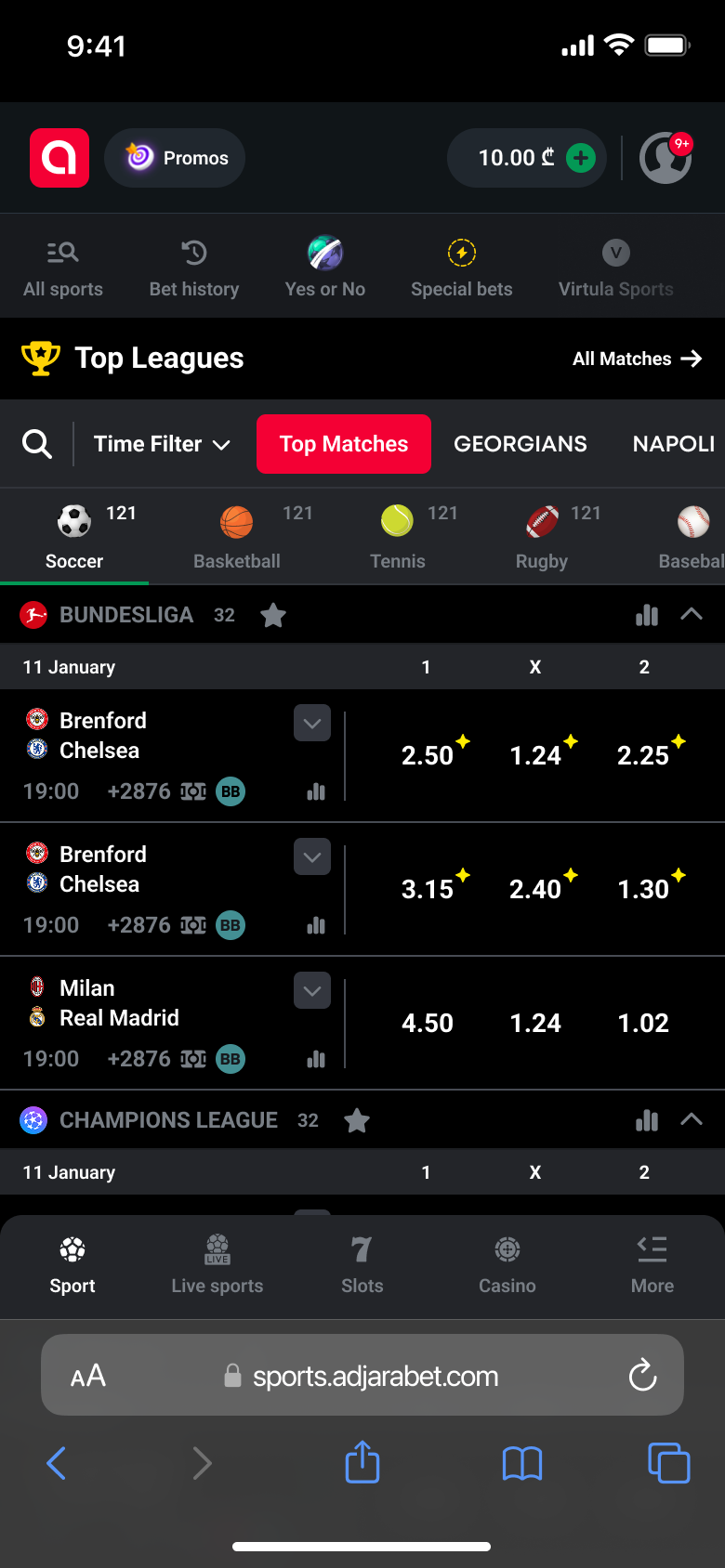
In 2022, I stepped into the role of Product Design Lead at Singular, taking ownership of the company’s most demanding product: a sportsbook platform powering multiple brands across diverse markets, each with strict regulatory requirements and complex feature sets.
My focus wasn’t just on keeping pace with delivery, it was on raising the maturity of the design function, creating systems that could flex across brands, and equipping the team with the workflows and practices needed to support rapid expansion.
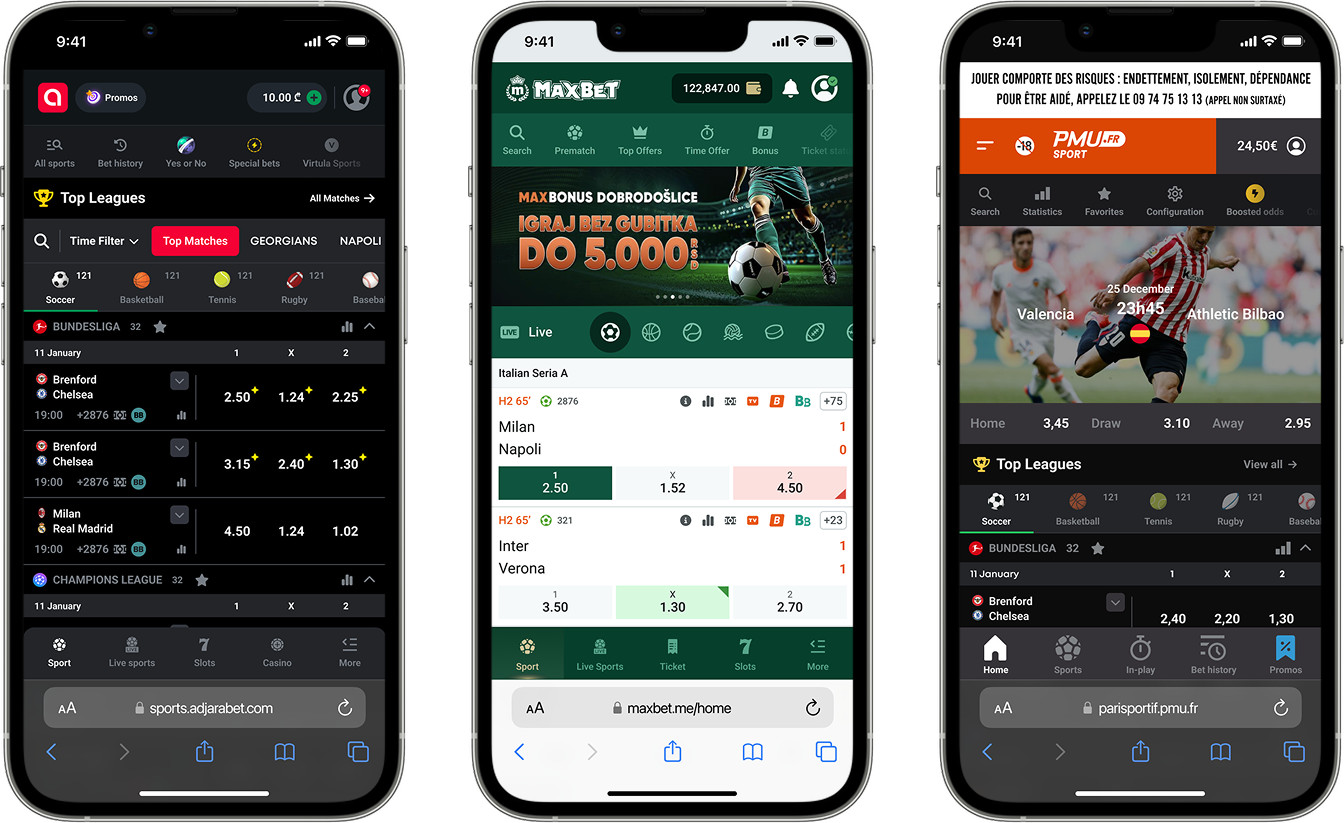
Sportsbook platform
Building the Team & Organization
The team started out small, just two designers and myself and was struggling to keep up with the scale of the product. There was no real structure for onboarding, no clear growth paths, and little visibility across the company. To build the foundation for everything that came later, I focused first on people: hiring and onboarding five new designers, raising the overall maturity of the team, and creating the stability we needed before we could scale systems or take on larger initiatives.
Challenges
- A small, fragmented team without processes for onboarding or growth.
- New hires took months to become effective, and career development lacked clarity.
- Across the company, design was seen as reactive delivery rather than a strategic partner.
Actions
- Recruited, onboarded, and managed multiple designers over time, maintaining a two-person team through replacements and transitions.
- Created a structured onboarding framework (1, 3, and 6-month checkpoints) so new hires could contribute within their first month.
- Introduced regular check-ins to track growth and give designers clearer development paths.
- Launched a bi-weekly design newsletter to increase visibility, share progress, and build trust with product and engineering stakeholders.
- Encouraged principles like ownership, empathy, and knowledge sharing to create a consistent team culture.
Impact
- Team stabilized and matured, ready to deliver at the scale of the product.
- Ramp-up time for new hires was cut down to 1 month instead of several.
- Designers gained clarity in their roles and confidence in cross-functional work.
- Design visibility across the company improved, shifting perception from delivery unit to strategic partner.
Scaling Design Operations
In a multi-brand environment, design operations aren’t just about organizing files, they’re about building trust, clarity, and speed across the product organization. At Singular, Figma was technically in use, but it wasn’t working as a system. Projects were scattered, libraries weren’t trusted, and developers often bypassed design files entirely. Reviews stalled because static screens didn’t communicate real flows. To scale across multiple brands, we needed design operations that worked as seamlessly as the products we built.
Challenges
- Unstructured projects: files were fragmented, naming was inconsistent, and libraries weren’t reliable.
- Lack of adoption: developers and PMs avoided Figma, relying on exports or Slack messages instead.
- Inefficient reviews: static screens caused misinterpretations and slowed alignment.
- Scaling risk: without standards, duplication and misalignment threatened the pace of brand launches.
Actions
- Designed a structured Figma framework with brand-specific projects, centralized libraries, and clickable tables of contents for easy navigation.
- Authored role-specific Figma guides for PMs and developers, enabling them to inspect, comment, and track progress independently.
- Standardized naming conventions, versioning rules, and file organization, creating governance for consistent practices.
- Held workshops to align the design team on workflows and expectations, ensuring consistency and adoption across projects.
Impact
- Figma became a trusted source of truth across design, product, and engineering.
- Developers and PMs grew self-sufficient in navigating and using design files, reducing dependency on designers.
- Reviews became faster and clearer, with fewer misinterpretations and delays.
- Design operations transformed from a friction point into a strategic enabler of speed, quality, and multi-brand scalability.
Multi-brand System & Foundation
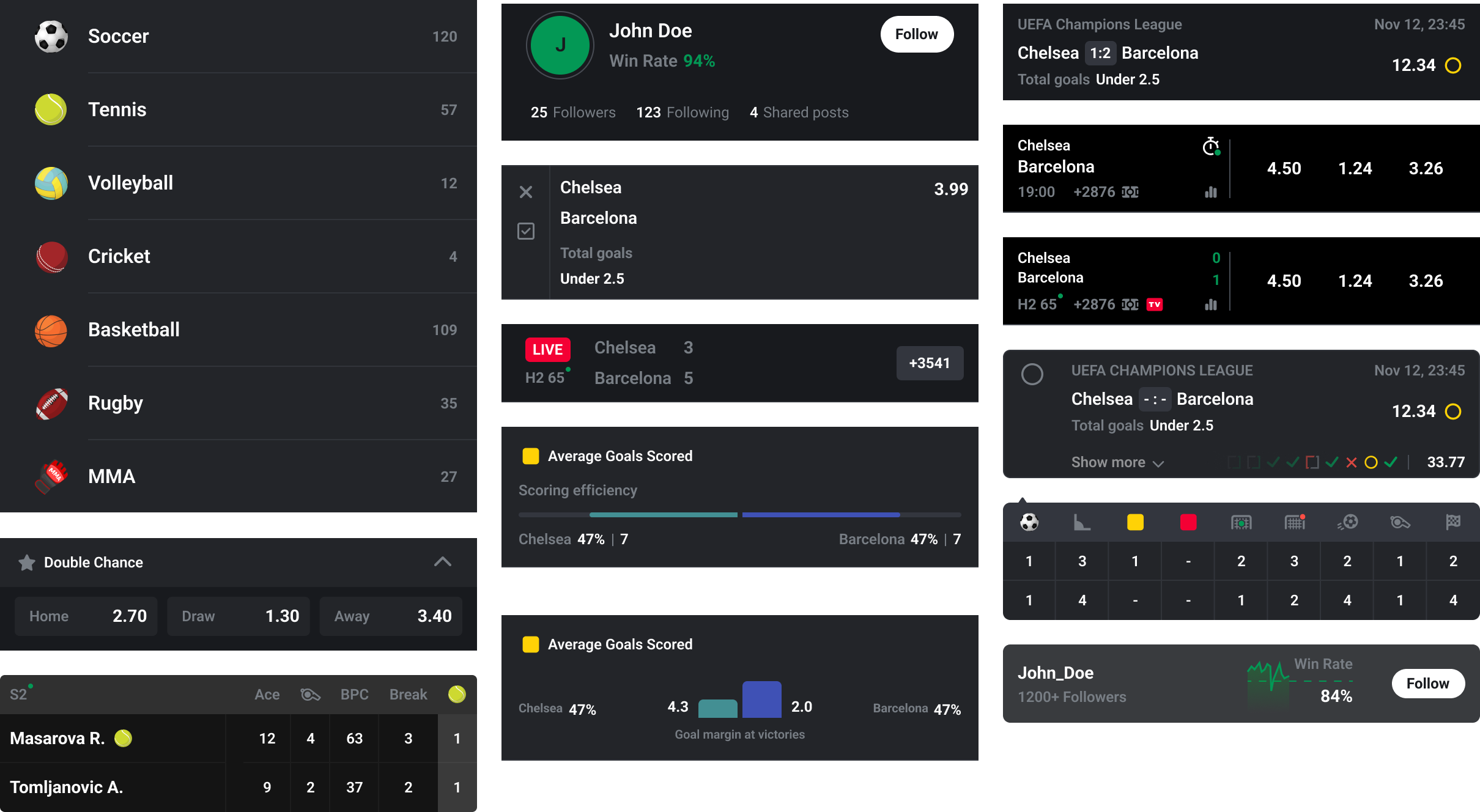
Supporting multiple brands on one sportsbook platform requires more than reusable components, it requires a foundation that can scale flexibly across markets while maintaining consistency. When I took over, the system lacked structure: components were duplicated, overrides were everywhere, and developers often rebuilt what design handed off. To move fast without breaking consistency, we needed a tokenized, governed design system that both designers and engineers could trust.
Challenges
- Components duplicated across features, creating unnecessary complexity.
- Frequent overrides led to inconsistent experiences across brands.
- Developers distrusted design handoffs, often re-implementing solutions.
- No governance process to maintain or evolve shared assets.
Actions
- Partnered with developers to implement a design token framework for colors, typography, spacing, and states, creating a shared design-to-code language.
- Consolidated and centralized component libraries, monitoring usage to reduce detached or manually created components.
- Established governance rules for proposing, updating, and maintaining components to ensure long-term health of the system.
- Educated the team on how to apply and extend the system responsibly, reinforcing consistency across markets.
Impact
- Detached and duplicated components reduced by 95%, increasing efficiency and design consistency.
- Tokenized foundations enabled rapid multi-brand rollouts without starting from scratch.
- Developers gained confidence in design deliverables, improving alignment and reducing rework.
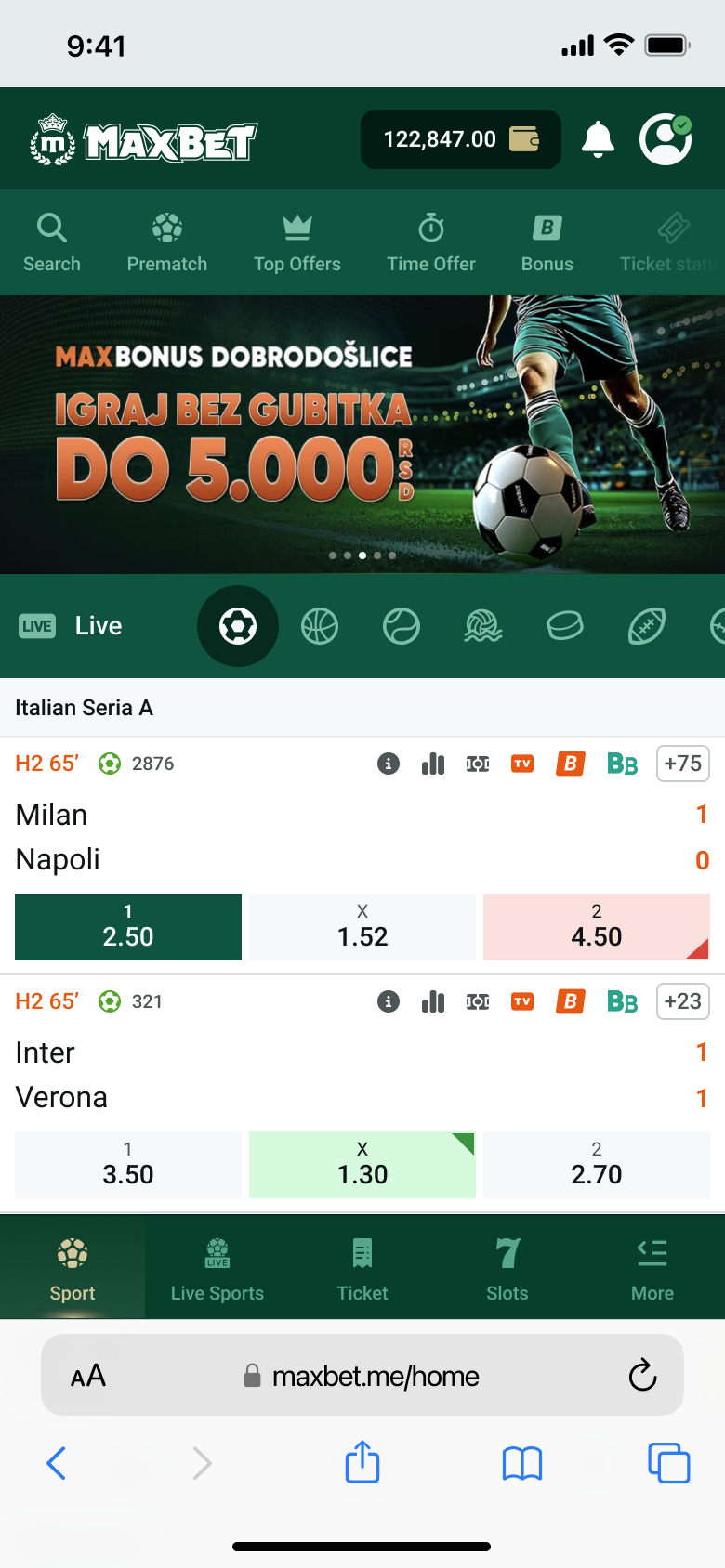
- The tokenized launch of Maxbet proved the scalability of the system and set a model for future brands.
Leading Products & Driving Impact
Alongside building systems and workflows, I focused on improving the sportsbook experience itself. These weren’t surface-level tweaks, they were high-stakes flows where speed, clarity, and trust directly shaped user confidence and business outcomes. Working iteratively, we redesigned core journeys like the betslip, bet history, and event details, while also enabling faster brand launches that proved the system’s scalability in practice.
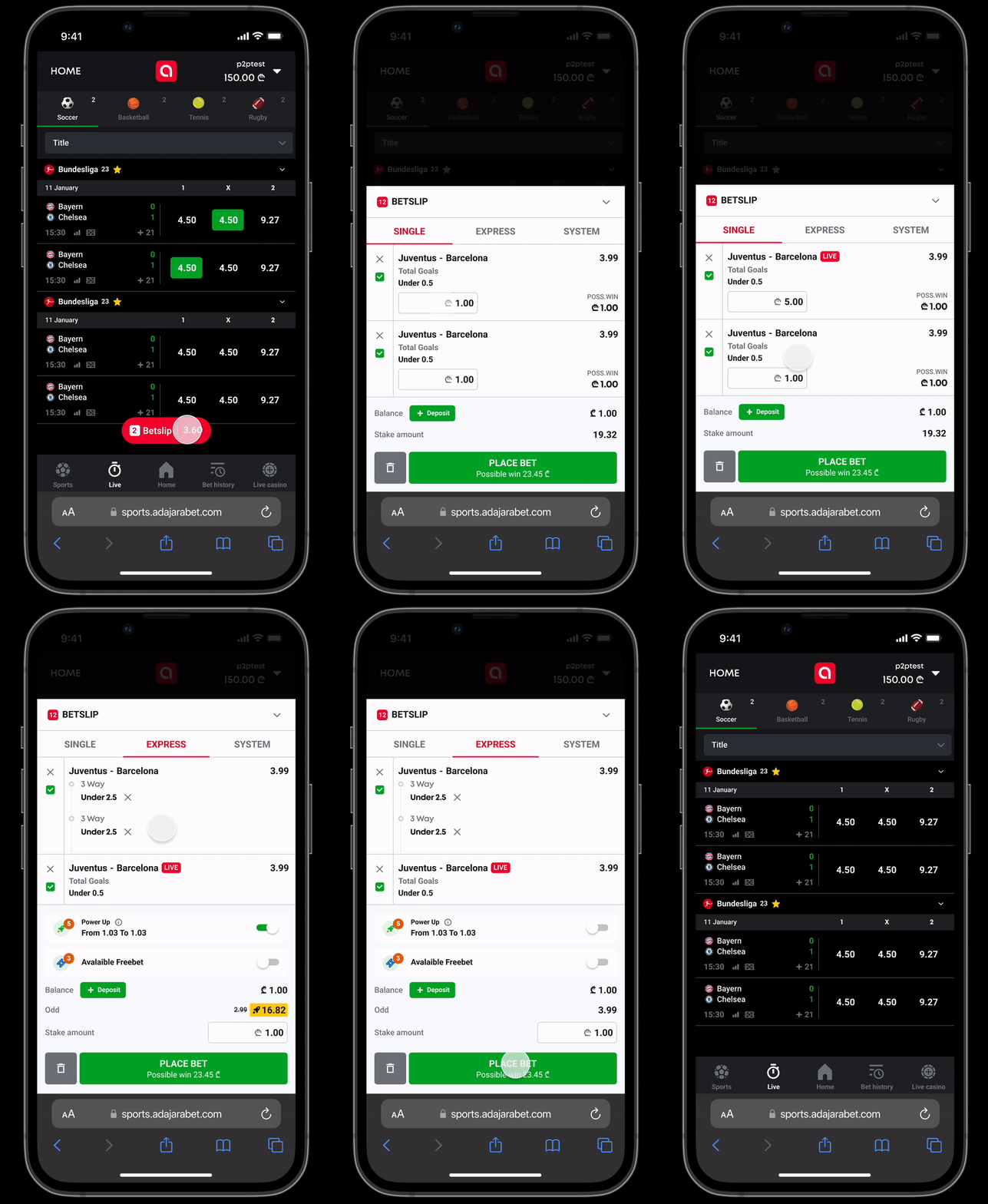
Betslip
Bet history
Challenges
- Betslip: cluttered layout and unclear states caused user drop-offs and error-prone submissions.
- Bet History: users struggled to track outcomes, leading to a high volume of support tickets.
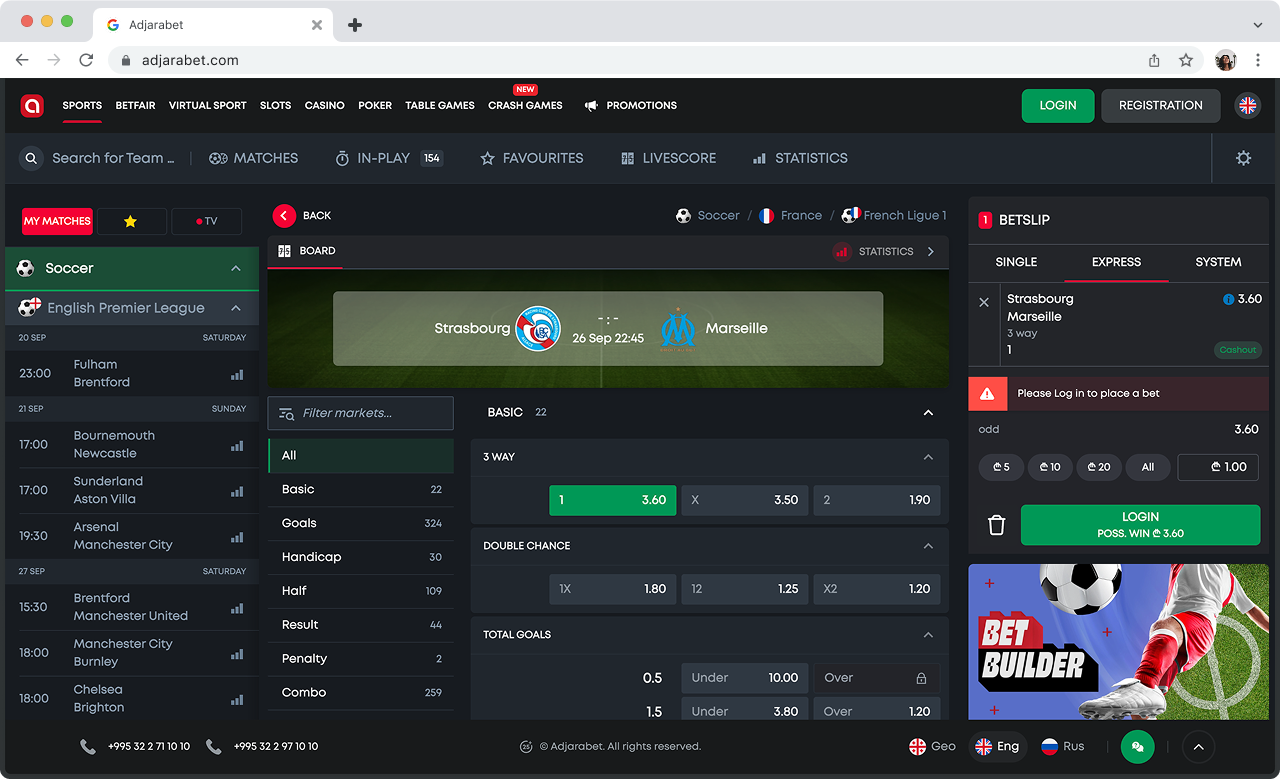
- Event Details: poor hierarchy and cluttered layouts made it difficult to find markets quickly.
- Brand Launches: inconsistent systems and duplicated work slowed down localization and rollout.
- Stakeholder Reviews: static mockups created late feedback and frequent misalignment.
Actions
- Betslip: simplified the layout, clarified states, and validated flows to reduce friction and errors.
- Bet History: improved scannability, introduced filters, and clarified bet outcomes for better transparency.
- Event Details: streamlined hierarchy and reorganized odds presentation for faster navigation.
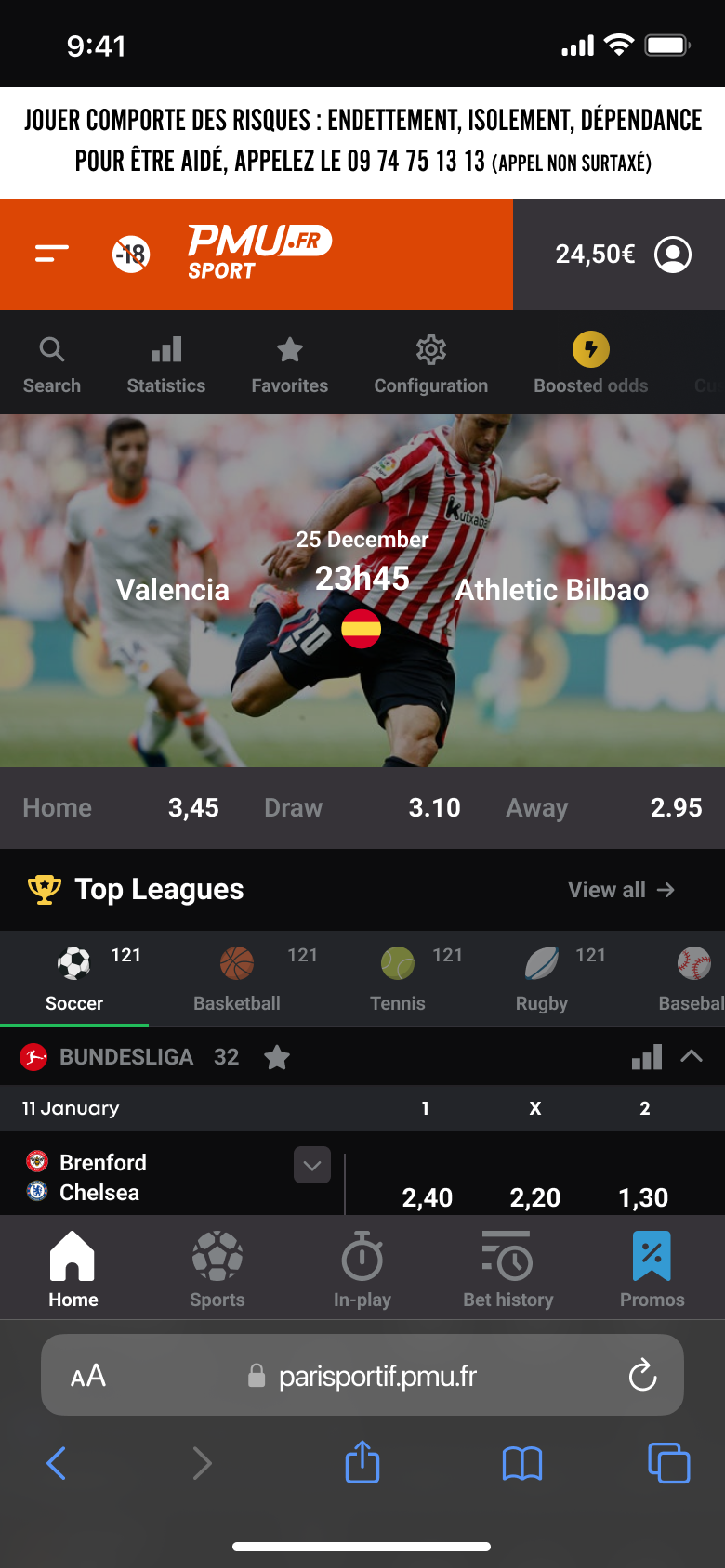
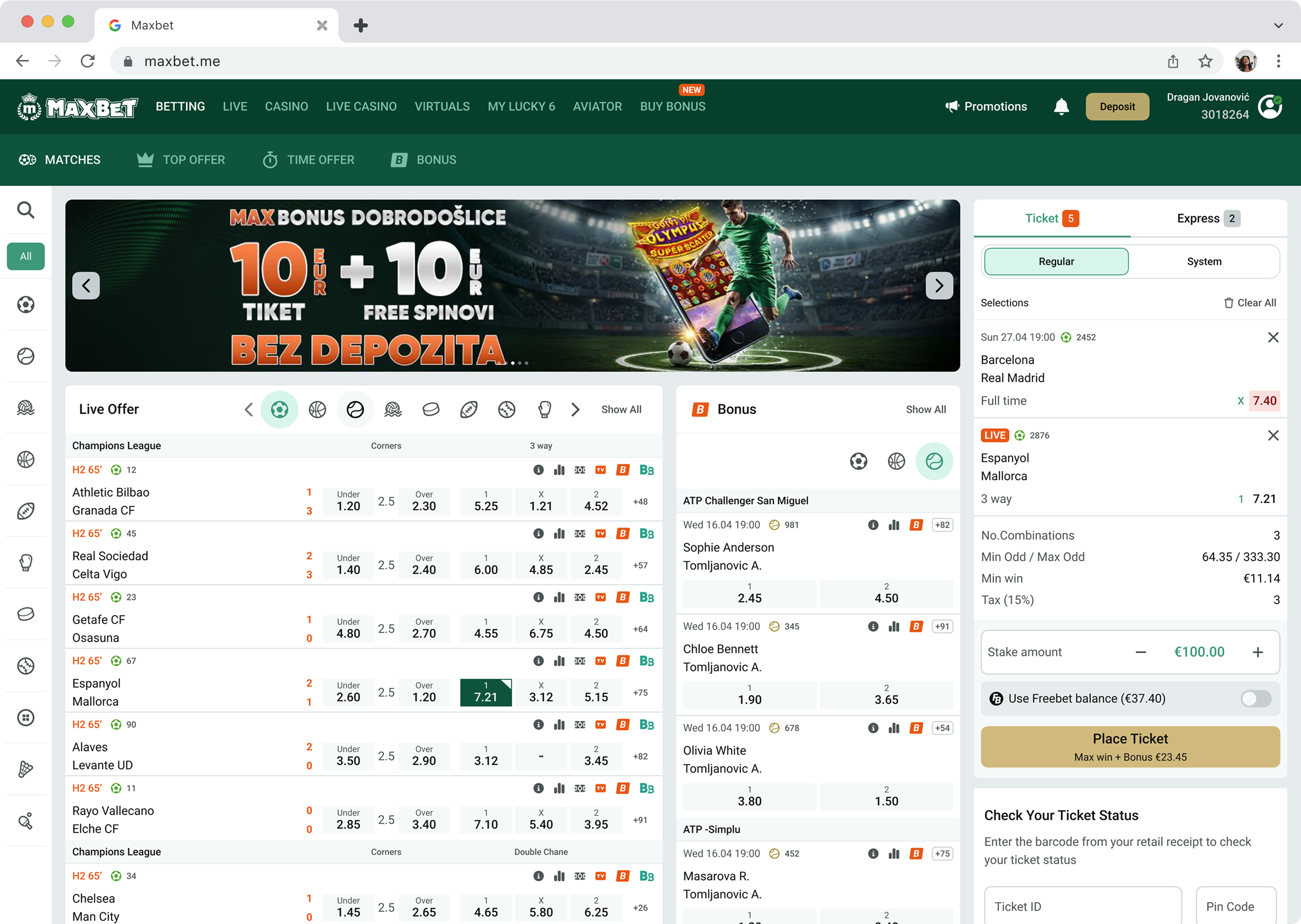
- Brand Launches: delivered pmu.fr in 2 months (fully localized and regulatory-compliant) and Maxbet as the first tokenized rollout, demonstrating scalability.
- Stakeholder Alignment: shifted reviews from static mockups to interactive Figma flows, giving stakeholders a realistic sense of the product earlier.
Impact
- Bets placed 20–30% faster, with fewer errors and higher user confidence.
- Bet History redesign reduced related support tickets by 25%, improving transparency and reducing operational load.
- Event Details improvements cut clicks by 20% and increased bets placed directly from event pages by 5–8%.
- Brand launches accelerated, with localization and consistency achieved at scale.
- Stakeholders began involving design earlier in product planning, strengthening design’s role in decision-making.
Accelerating Brand Launches
Brand rollouts were one of the clearest tests of whether our systems and processes could scale. Each market brought its own regulatory, cultural, and business requirements, and the pace of delivery left little room for error.
Challenges
- Each brand previously required heavy customization, slowing down launches.
- Regulatory and localization demands created complexity beyond visual styling.
- Without a scalable system, duplication and inconsistencies were inevitable.
Actions
- Defined a multi-brand framework where tokens controlled brand identity (colors, typography, spacing), while shared components ensured functional consistency.
- Partnered closely with developers and product owners to align on token integration and launch workflows.
- Established design checkpoints for localization and compliance, ensuring brand nuances were captured without derailing timelines.
Impact
- pmu.fr launched in just 2 months, fully localized for the French market and compliant with its strict regulatory requirements, a major proof point for speed and adaptability.
- Maxbet became the first tokenized launch, validating the system in practice and setting the blueprint for future rollouts.
- Demonstrated that design could not only keep pace with business demands but also enable faster, more reliable brand expansion.
·
·
·
Reflections
Leading design at Singular was about more than delivering features, it was about proving that design can scale in one of the most demanding environments: a multi-brand sportsbook platform with constant growth, regulatory pressure, and zero tolerance for inconsistency.
I built a design function that grew in maturity, trust, and influence. Figma transformed from scattered files into a structured system of record relied on by product and engineering. A tokenized design system proved its value in live markets, with Maxbet setting the benchmark for scalable rollouts. Meanwhile, product improvements like the betslip, bet history, and event details delivered measurable impact for both users and the business.
The real achievement wasn’t just cleaner workflows or faster delivery, it was creating a design practice that the organization could trust, depend on, and scale with. At Singular, design became a driver of clarity, speed, and consistency, not just for today’s launches, but as the foundation for every brand yet to come.