How I Scaled Design into a Visible, Strategic Function at Adjarabet

Role: Head of UX designTimeframe: 2019 - 2022

Live Product: adjarabet.com, adjarabet.am

Deliverables: Design Systems, UX Operations, Multi-platform Redesigns, Research Practices

Project Type: Org-wide scaling & design transformation

Team: Led a team of 8 Designers, collaborating with Scrum teams, Product Owners, Engineering, and Business Stakeholders

When I joined Adjarabet in 2019, the design function was seen as a service team, mainly responsible for “making things look good.” My mission over the next three years, as I grew from Lead Product Designer to Head of Product Design, was to scale the team, build systems, and establish design as a strategic partner in the business.
adjarbet

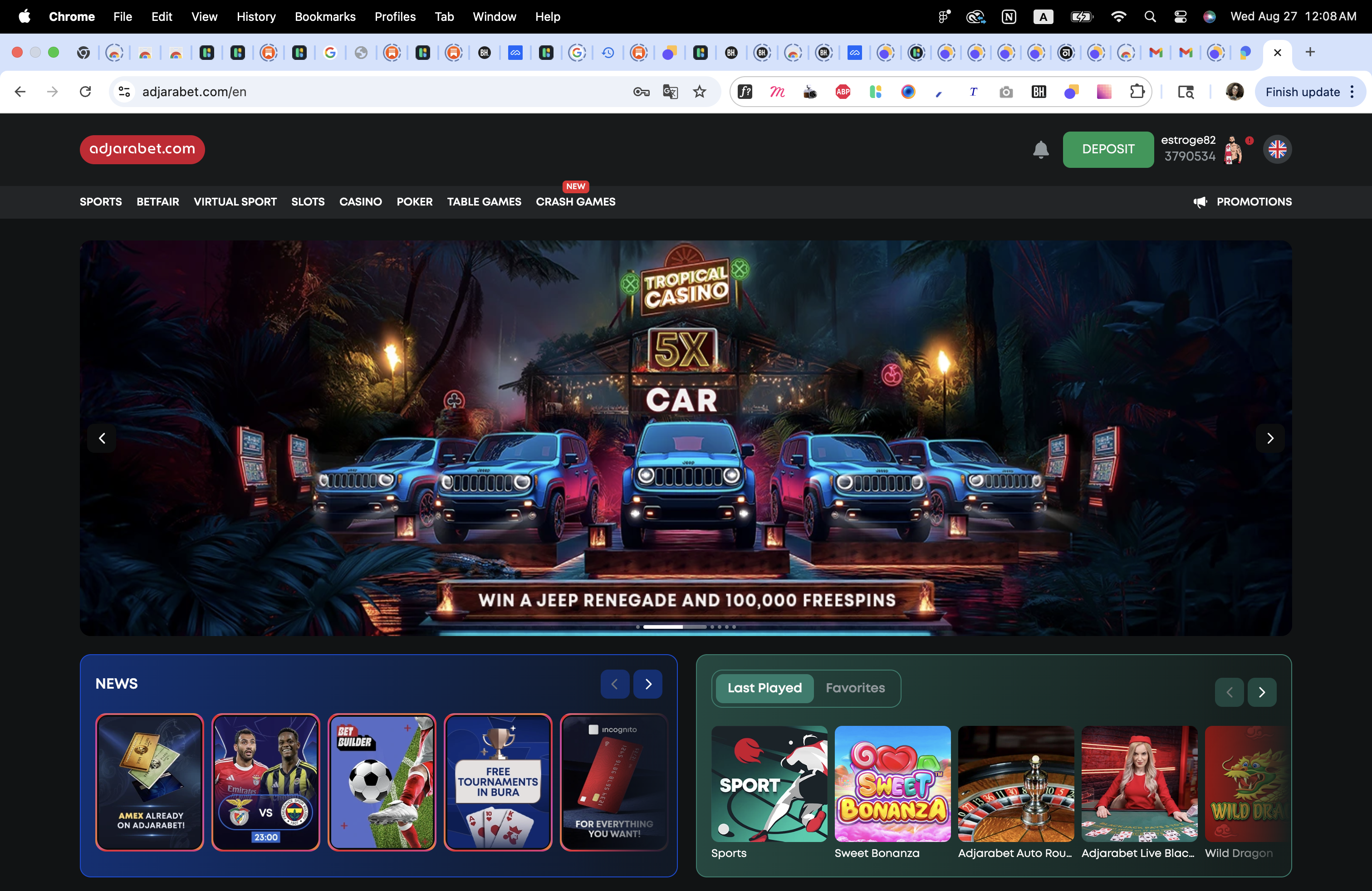
Adjarabet.com

Building the Team & Organization

The design team started small and isolated, often handling last-minute requests without real influence on product direction. There were no growth paths, no structured onboarding, and no seat at the table for planning. To change that, we needed more than headcount, we needed a functioning organization with ownership and visibility.

Challenges

  • Isolated designers with little influence on product direction.
  • Slow onboarding (8 weeks) and unclear career paths.
  • Stakeholders treated design as “visual polish.”


Actions

  • Grew the team from 2 → 8, embedding designers in squads (frontend, promotions, payments, native apps).
  • Defined clear vertical ownership so every designer had accountability.
  • Introduced a Skill Matrix, weekly 1:1s, and monthly KPI check-ins.
  • Authored an onboarding guide, reducing ramp-up from 8 → 5 weeks.
  • Encouraged designers to present in roadmap sessions, not just hand off visuals.


Impact

  • Team repositioned from service → strategic partners.
  • Faster onboarding → new hires contributed in their first sprint.
  • Clear growth paths → 2 promotions (junior → mid, mid → senior).
  • Stakeholders began inviting design into strategic discussions
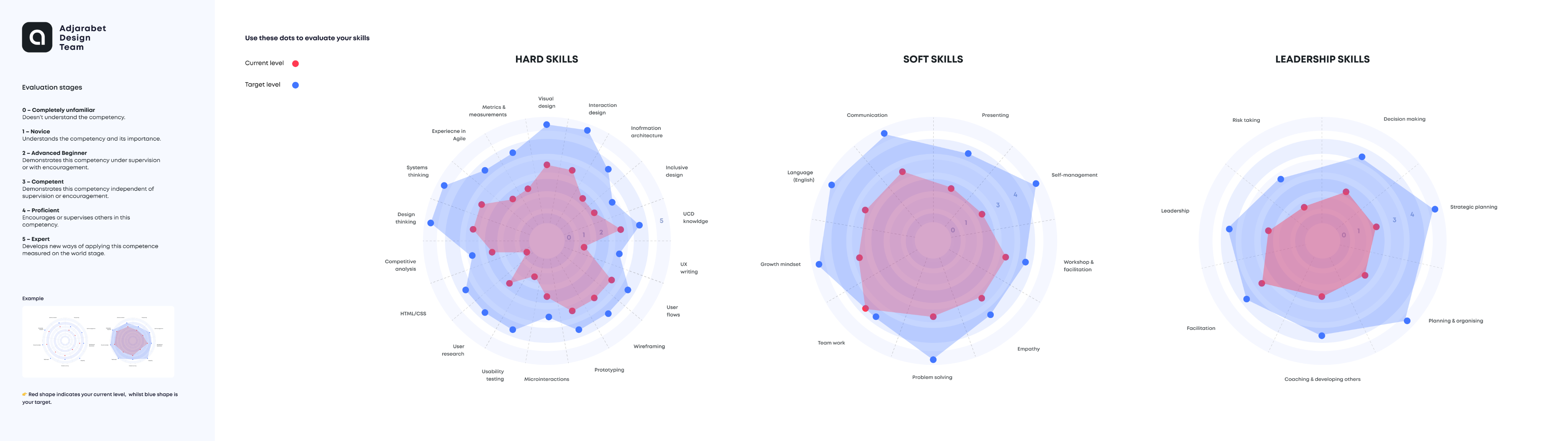
Skill matrix

Skill matrix sample

Scaling Design Operations

Operationally, things looked modern but were far from efficient. Sketch files lived in silos, Zeplin handoffs caused friction, and developers sometimes built from outdated screens. Prototypes were little more than clickable slides, limiting real validation. These inefficiencies slowed delivery and undermined trust with engineering.


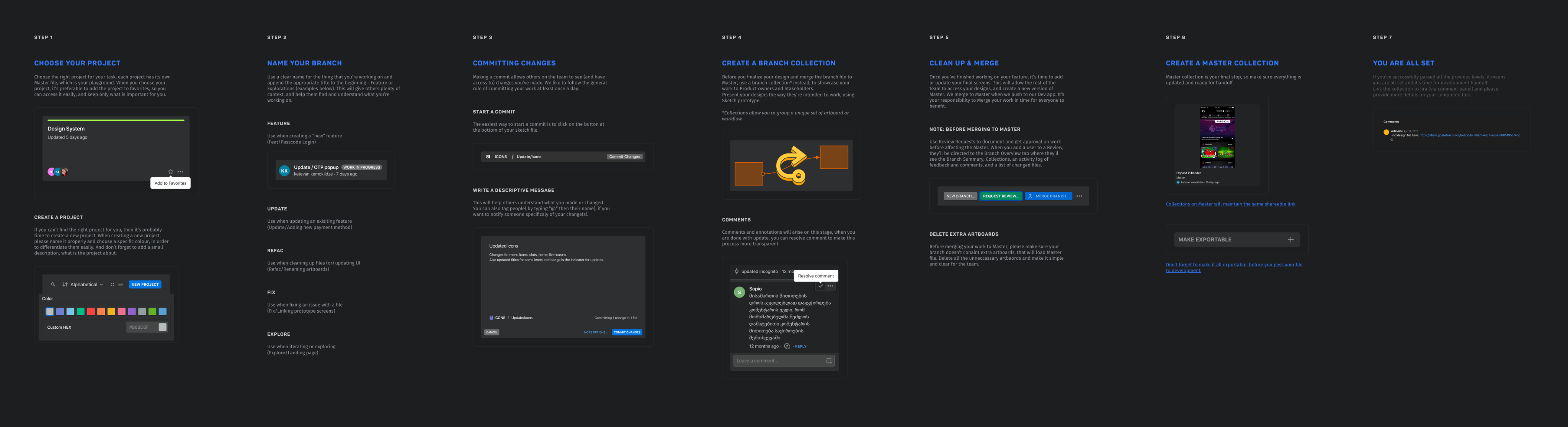
To fix this, I’ve introduced Abstract, a version-control layer for Sketch that mirrored engineering workflows. Designers could now branch, review, and merge changes just like developers, eliminating file conflicts and improving traceability. The Sketch × Abstract workflow became our single source of truth: every iteration documented, every handoff aligned, every change reviewable.
adjarbet

Sketch x Abstract workflow

Challenges

  • Fragmented workflows led to rework and delays.
  • Developers lacked confidence in design files.
  • Prototypes too static to validate ideas.


Actions

  • Rolled out Sketch + Abstract workflow with version control and documentation.
  • Eliminated Zeplin, establishing a single source of truth.
  • Adopted Protopie for interactive flows.
  • Led migration to Figma, onboarding not just designers but also PMs and engineers, creating one shared workspace.


Impact

  • Fewer handoff errors and shorter cycles.
  • Transparent process where PMs and engineers collaborated in real time.
  • Stronger cross-functional trust in design’s ability to deliver.

Building Systems & Foundations

As Adjarabet expanded across web, native, and multiple markets, fragmentation became obvious. UI patterns varied, assets were heavy, and accessibility suffered from inconsistent fonts. Each squad solved problems differently, creating inefficiency and a fractured user experience.
adjarbet
adjarbet

adjarbet

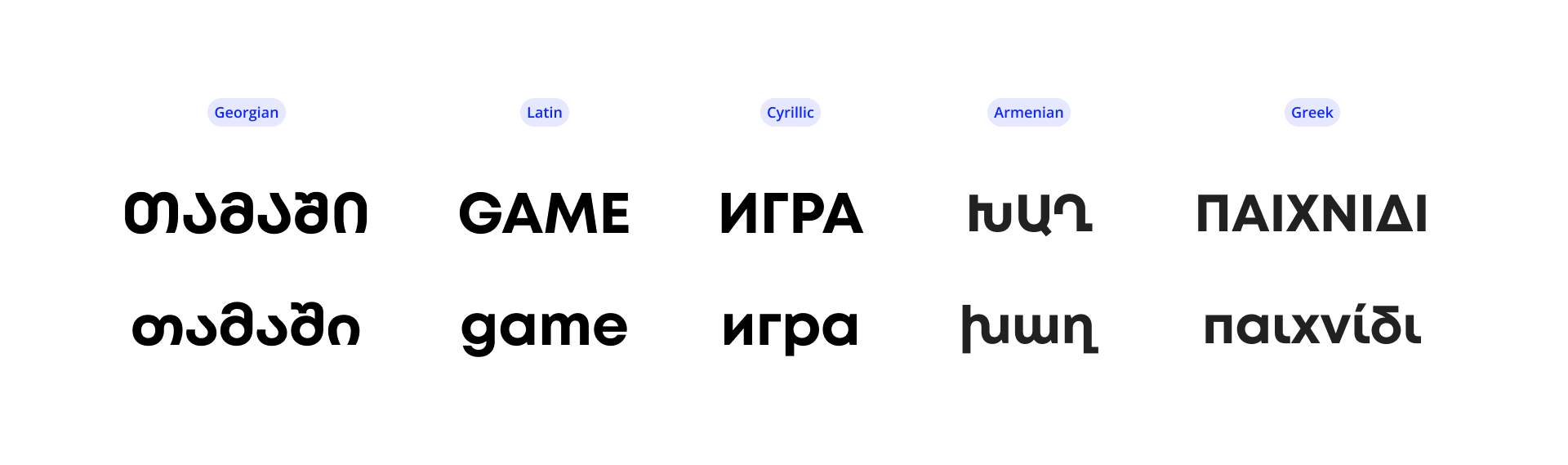
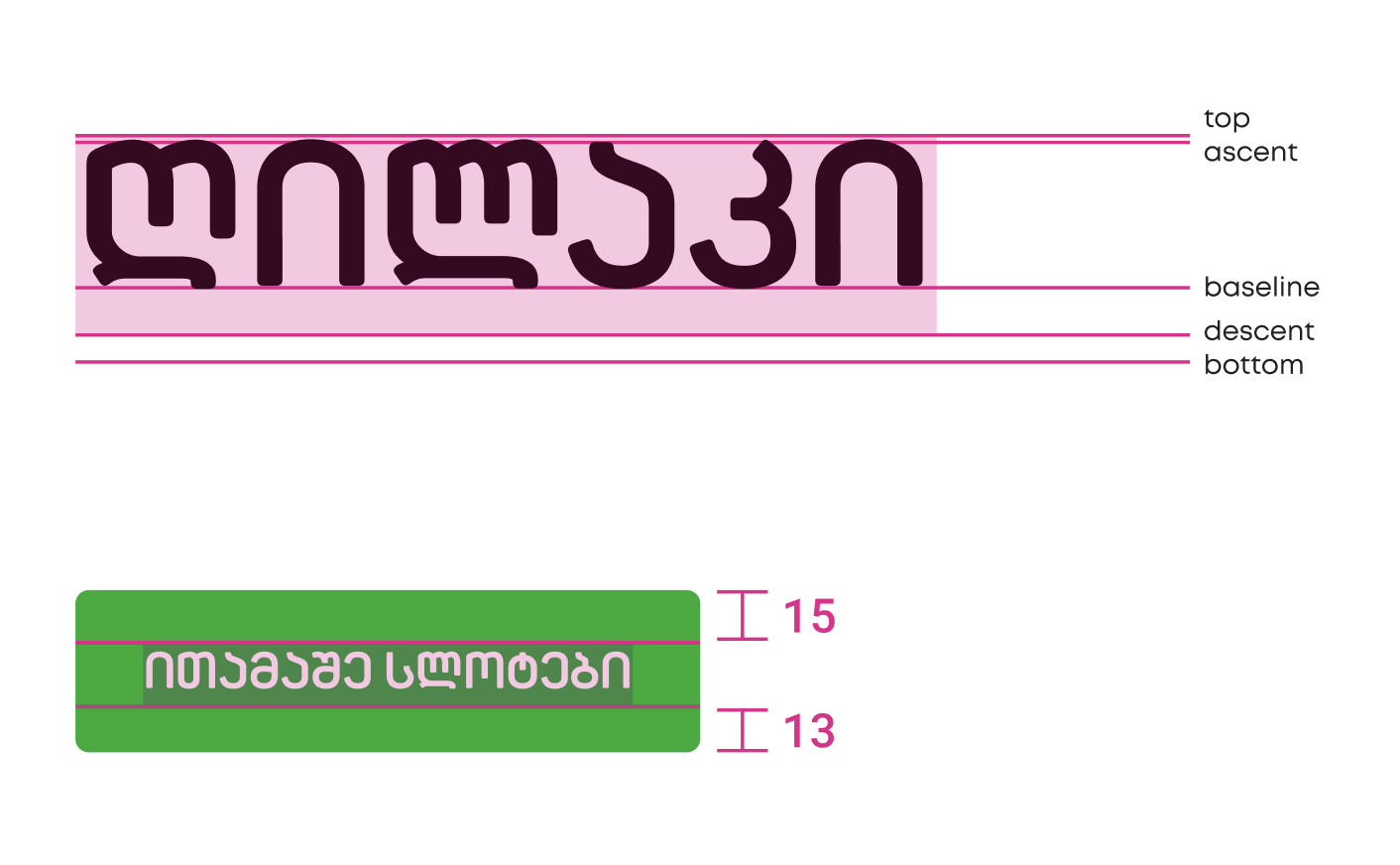
Custom font project

Challenges

  • Inconsistent UI and patterns.
  • Multiple fonts slowed performance and hurt accessibility.
  • No governance → duplication across squads.


Actions

  • Built a design system with shared foundations, reusable components, and clear guidelines.
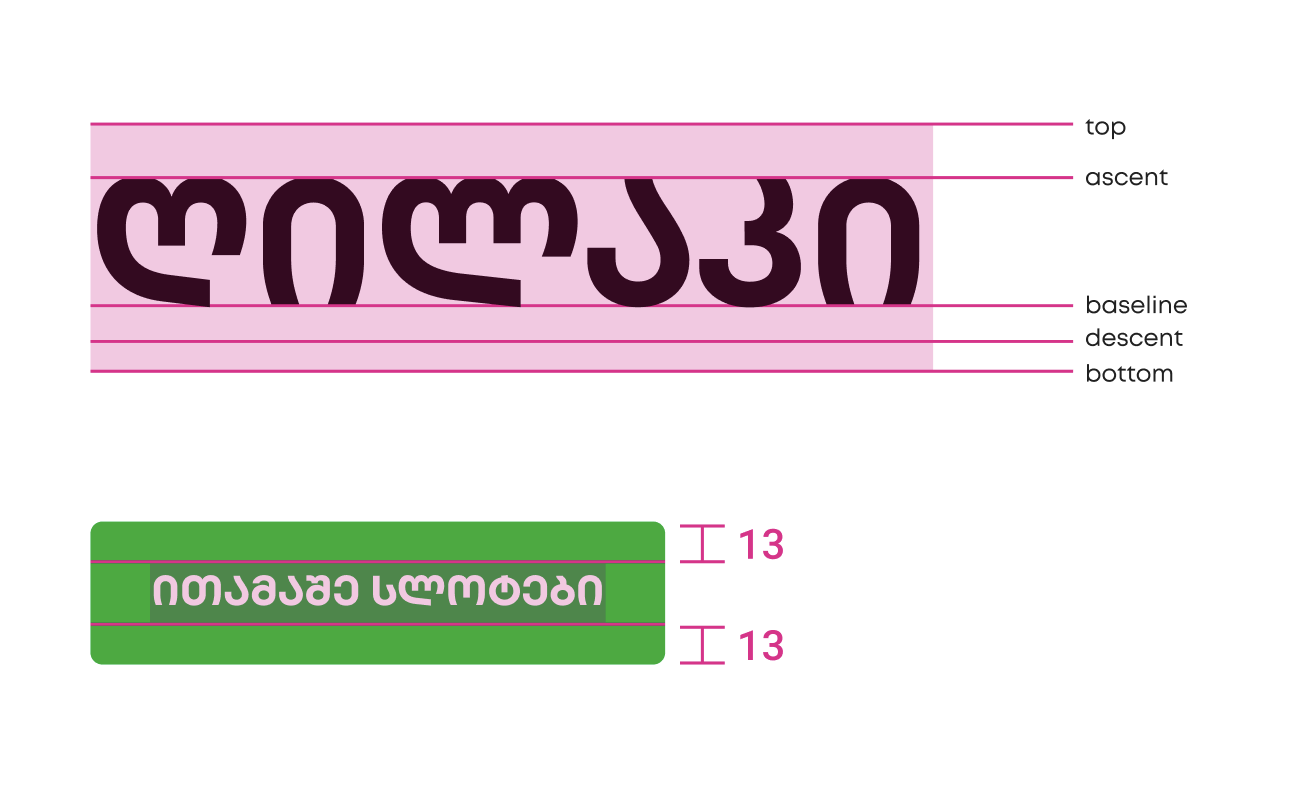
  • Partnered with marketing on a custom font project to improve readability and unify multi-language markets (.com, .am).
  • Optimized icons (220KB SVG sprite → 24KB IcoMoon WOFF2, 89% lighter).
  • Introduced governance and ownership between design + engineering, with onboarding and update reviews.


Impact

  • Unified brand across web and native.
  • Faster, lighter experiences with improved accessibility.
  • A living system still in use today, not a one-off project.

Leading Products & Cross-functional Collaboration

Once the team, operations, and systems were in place, the next step was proving that design could accelerate delivery and drive measurable product outcomes. Each vertical had its own challenges, regulatory constraints in payments, speed requirements in promotions, platform nuances in native apps, and modernization needs in frontend.


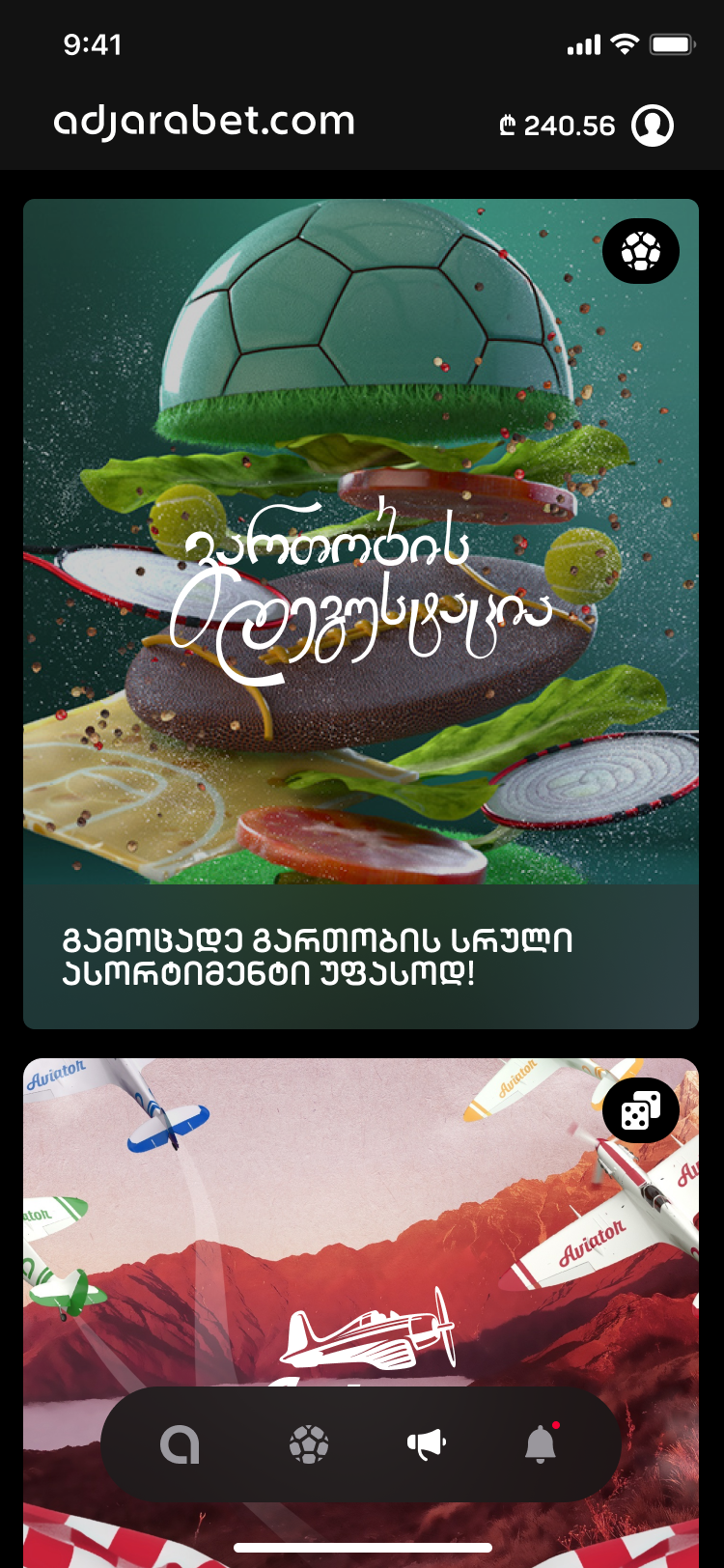
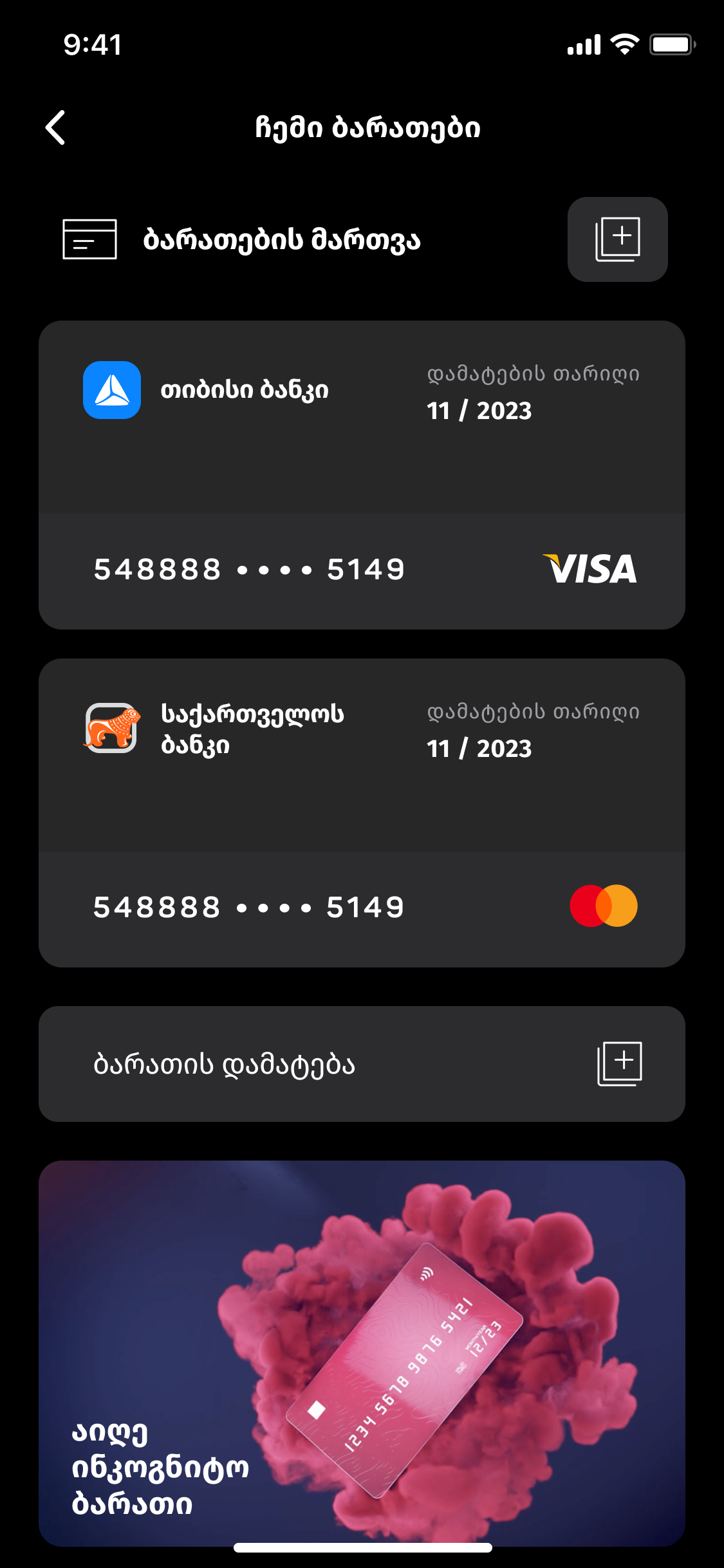
In frontend, I worked closely with engineering to modernize the UI and enforce adoption of our design system. In native apps, I directed design across iOS and Android, balancing system consistency with native conventions. In payments (Adjarapay), I guided the wallet experience; while the product was ultimately closed due to regulation, the standards we established shaped future secure flows. And in promotions, I helped to build a lightweight design system for recurring campaigns, cutting design time by 50% and enabling faster, more predictable marketing cycles.
adjarbet
adjarbet
adjarbet

Native app

adjarbet

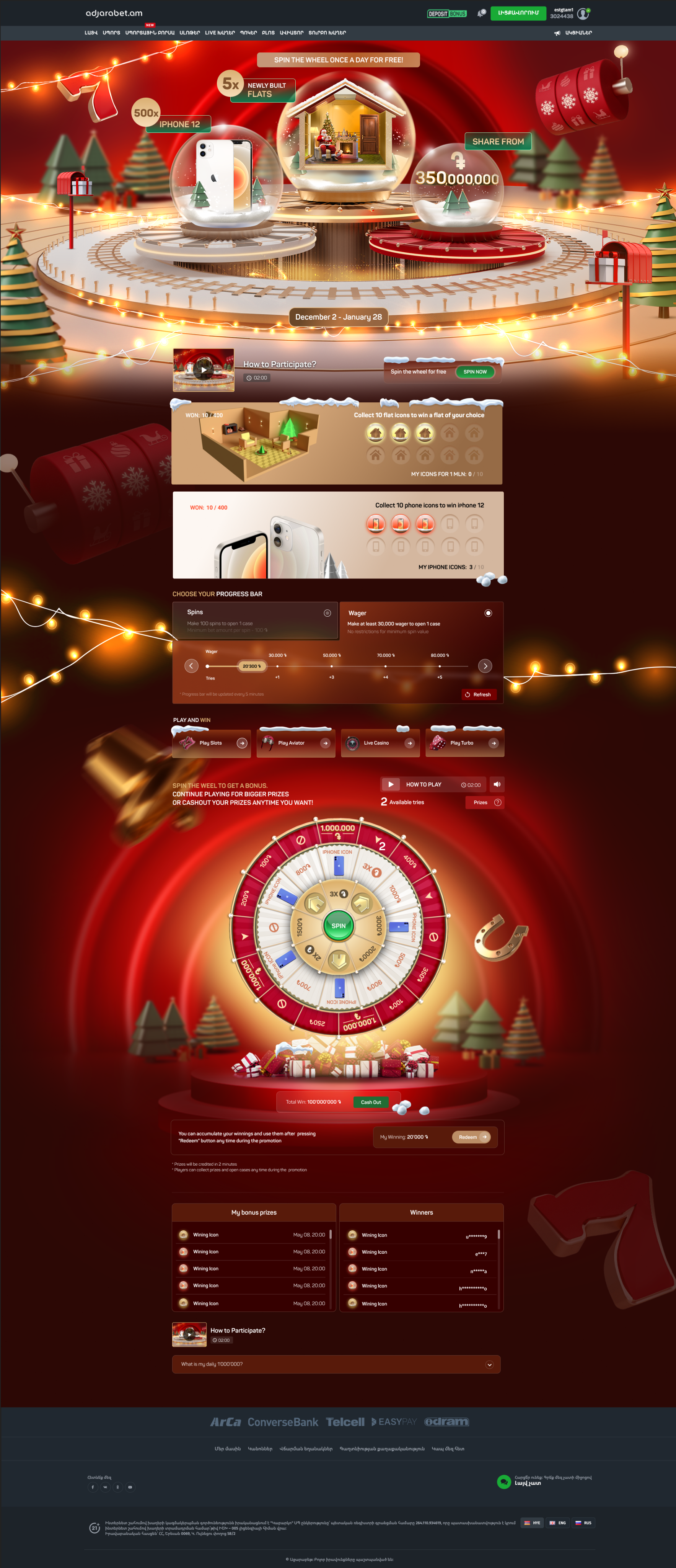
Promotion campaigns

· · ·

At Adjarabet, I pushed to move design decisions from opinion-driven debates to evidence-based improvements. For example, CES surveys in the verification flow revealed critical pain points. Small design changes lifted CES from 3.9 → 4.5 and reduced operational overhead, proving to stakeholders that metrics-led design could deliver both user and business impact.

adjarbet
adjarbet

Maze user test result

To scale this approach beyond individual flows, I embedded research practices into the team’s daily work: Maze for rapid unmoderated testing (integrated directly with Figma), moderated interviews for deeper context, and even in-person user meetups. These practices shifted conversations with stakeholders from subjective opinions to concrete user insights, making design a trusted voice in product planning.

Design sprints

Beyond single features, I introduced design sprints as a repeatable framework for solving complex problems and building alignment across functions. We ran them in-person before COVID and transitioned to remote facilitation afterward, ensuring collaboration didn’t slow down. The format gave cross-functional teams (designers, PMs, engineers, stakeholders) a structured way to validate ideas quickly and focus on evidence, not assumptions.


Outcomes ranged from exploring new promotional concepts to improving critical user flows. For example, a sprint on registration produced a redesigned flow that significantly boosted completion rates, a tangible example of how structured collaboration could drive measurable product impact. Over time, sprints became a trusted method inside the company, giving design a leadership role in guiding discovery and decision-making.

adjarbet
adjarbet
adjarbet

Design sprint

·

·

·

Reflections

Looking back, this work was never just about hiring more designers or delivering features faster, it was about building systems and culture that could scale. Over time, the team grew from two to eight designers, onboarding became nearly twice as fast, and our processes supported clear career growth.


Most importantly, design moved from a service function to an integral part of roadmap planning and product strategy. The design system, cross-functional workflows, and user research practices we put in place became part of the company’s operating model. These foundations didn’t just solve immediate challenges, they created a sustainable design organization that continues to deliver value long after my time at Adjarabet.

How I Scaled Design into a Visible, Strategic Function at Adjarabet

Role: Head of UX designTimeframe: 2019 - 2022

Live Product: adjarabet.com, adjarabet.am

Deliverables: Design Systems, UX Operations, Multi-platform Redesigns, Research Practices

Project Type: Org-wide scaling & design transformation

Team: Led a team of 8 Designers, collaborating with Scrum teams, Product Owners, Engineering, and Business Stakeholders

When I joined Adjarabet in 2019, the design function was seen as a service team, mainly responsible for “making things look good.” My mission over the next three years, as I grew from Lead Product Designer to Head of Product Design, was to scale the team, build systems, and establish design as a strategic partner in the business.

adjarbet

Adjarabet.com

Building the Team & Organization

The design team started small and isolated, often handling last-minute requests without real influence on product direction. There were no growth paths, no structured onboarding, and no seat at the table for planning. To change that, we needed more than headcount, we needed a functioning organization with ownership and visibility.

Challenges

  • Isolated designers with little influence on product direction.
  • Slow onboarding (8 weeks) and unclear career paths.
  • Stakeholders treated design as “visual polish.”


Actions

  • Grew the team from 2 → 8, embedding designers in squads (frontend, promotions, payments, native apps).
  • Defined clear vertical ownership so every designer had accountability.
  • Introduced a Skill Matrix, weekly 1:1s, and monthly KPI check-ins.
  • Authored an onboarding guide, reducing ramp-up from 8 → 5 weeks.
  • Encouraged designers to present in roadmap sessions, not just hand off visuals.


Impact

  • Team repositioned from service → strategic partners.
  • Faster onboarding → new hires contributed in their first sprint.
  • Clear growth paths → 2 promotions (junior → mid, mid → senior).
  • Stakeholders began inviting design into strategic discussions
Skill matrix

Skill matrix sample

Scaling Design Operations

Operationally, things looked modern but were far from efficient. Sketch files lived in silos, Zeplin handoffs caused friction, and developers sometimes built from outdated screens. Prototypes were little more than clickable slides, limiting real validation. These inefficiencies slowed delivery and undermined trust with engineering.


To fix this, I’ve introduced Abstract, a version-control layer for Sketch that mirrored engineering workflows. Designers could now branch, review, and merge changes just like developers, eliminating file conflicts and improving traceability. The Sketch × Abstract workflow became our single source of truth: every iteration documented, every handoff aligned, every change reviewable.

adjarbet

Sketch x Abstract workflow

Challenges

  • Fragmented workflows led to rework and delays.
  • Developers lacked confidence in design files.
  • Prototypes too static to validate ideas.


Actions

  • Rolled out Sketch + Abstract workflow with version control and documentation.
  • Eliminated Zeplin, establishing a single source of truth.
  • Adopted Protopie for interactive flows.
  • Led migration to Figma, onboarding not just designers but also PMs and engineers, creating one shared workspace.


Impact

  • Fewer handoff errors and shorter cycles.
  • Transparent process where PMs and engineers collaborated in real time.
  • Stronger cross-functional trust in design’s ability to deliver.

Building Systems & Foundations

As Adjarabet expanded across web, native, and multiple markets, fragmentation became obvious. UI patterns varied, assets were heavy, and accessibility suffered from inconsistent fonts. Each squad solved problems differently, creating inefficiency and a fractured user experience.

adjarbet
adjarbet

adjarbet

Custom font project

Challenges

  • Inconsistent UI and patterns.
  • Multiple fonts slowed performance and hurt accessibility.
  • No governance → duplication across squads.


Actions

  • Built a design system with shared foundations, reusable components, and clear guidelines.
  • Partnered with marketing on a custom font project to improve readability and unify multi-language markets (.com, .am).
  • Optimized icons (220KB SVG sprite → 24KB IcoMoon WOFF2, 89% lighter).
  • Introduced governance and ownership between design + engineering, with onboarding and update reviews.


Impact

  • Unified brand across web and native.
  • Faster, lighter experiences with improved accessibility.
  • A living system still in use today, not a one-off project.

Leading Products & Cross-functional Collaboration

Once the team, operations, and systems were in place, the next step was proving that design could accelerate delivery and drive measurable product outcomes. Each vertical had its own challenges, regulatory constraints in payments, speed requirements in promotions, platform nuances in native apps, and modernization needs in frontend.


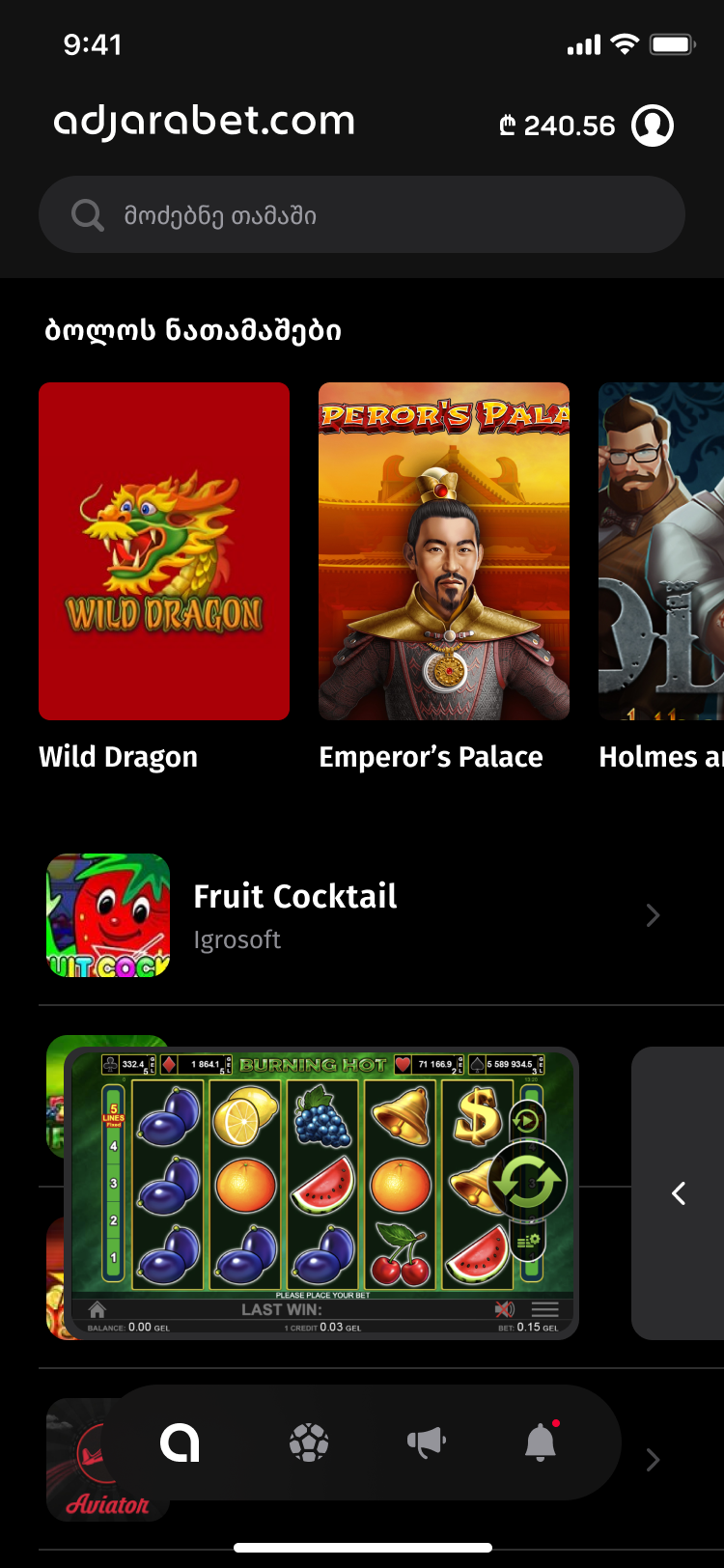
In frontend, I worked closely with engineering to modernize the UI and enforce adoption of our design system. In native apps, I directed design across iOS and Android, balancing system consistency with native conventions. In payments (Adjarapay), I guided the wallet experience; while the product was ultimately closed due to regulation, the standards we established shaped future secure flows. And in promotions, I helped to build a lightweight design system for recurring campaigns, cutting design time by 50% and enabling faster, more predictable marketing cycles.
adjarbet
adjarbet
adjarbet

Native app

adjarbet

Promotion campaigns

· · ·

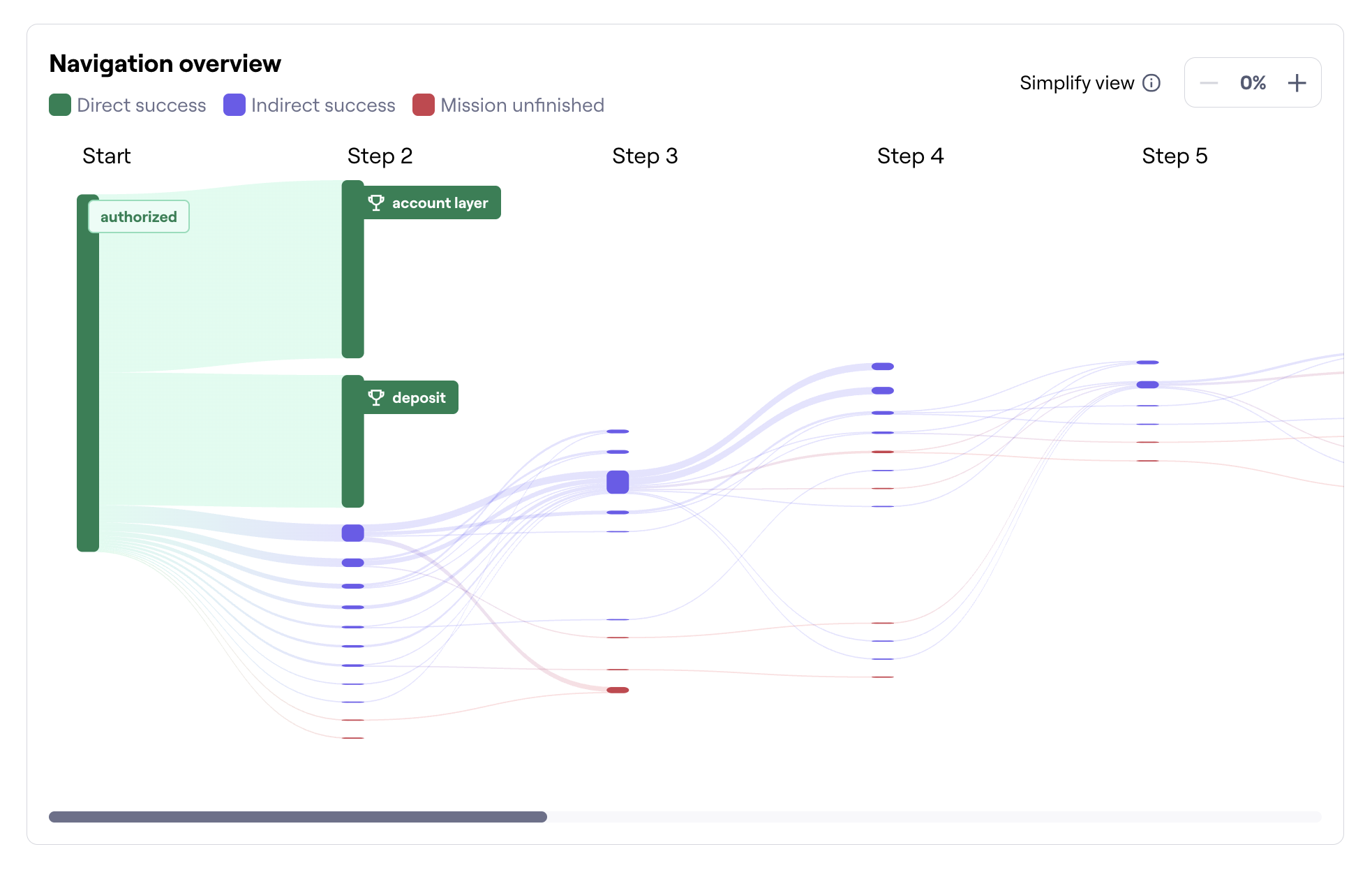
At Adjarabet, I pushed to move design decisions from opinion-driven debates to evidence-based improvements. For example, CES surveys in the verification flow revealed critical pain points. Small design changes lifted CES from 3.9 → 4.5 and reduced operational overhead, proving to stakeholders that metrics-led design could deliver both user and business impact.

adjarbet
adjarbet

Maze user test result

To scale this approach beyond individual flows, I embedded research practices into the team’s daily work: Maze for rapid unmoderated testing (integrated directly with Figma), moderated interviews for deeper context, and even in-person user meetups. These practices shifted conversations with stakeholders from subjective opinions to concrete user insights, making design a trusted voice in product planning.

Design sprints

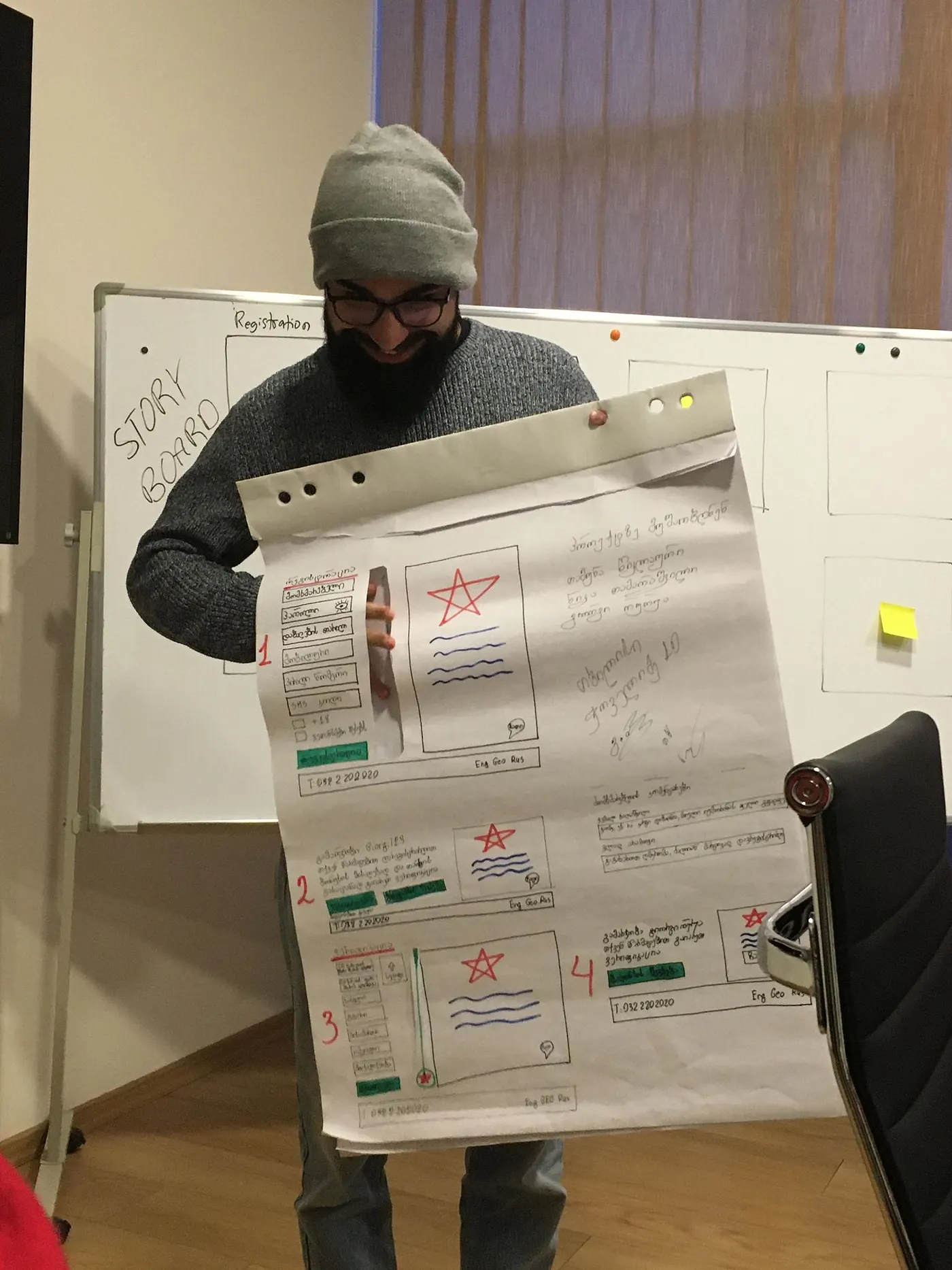
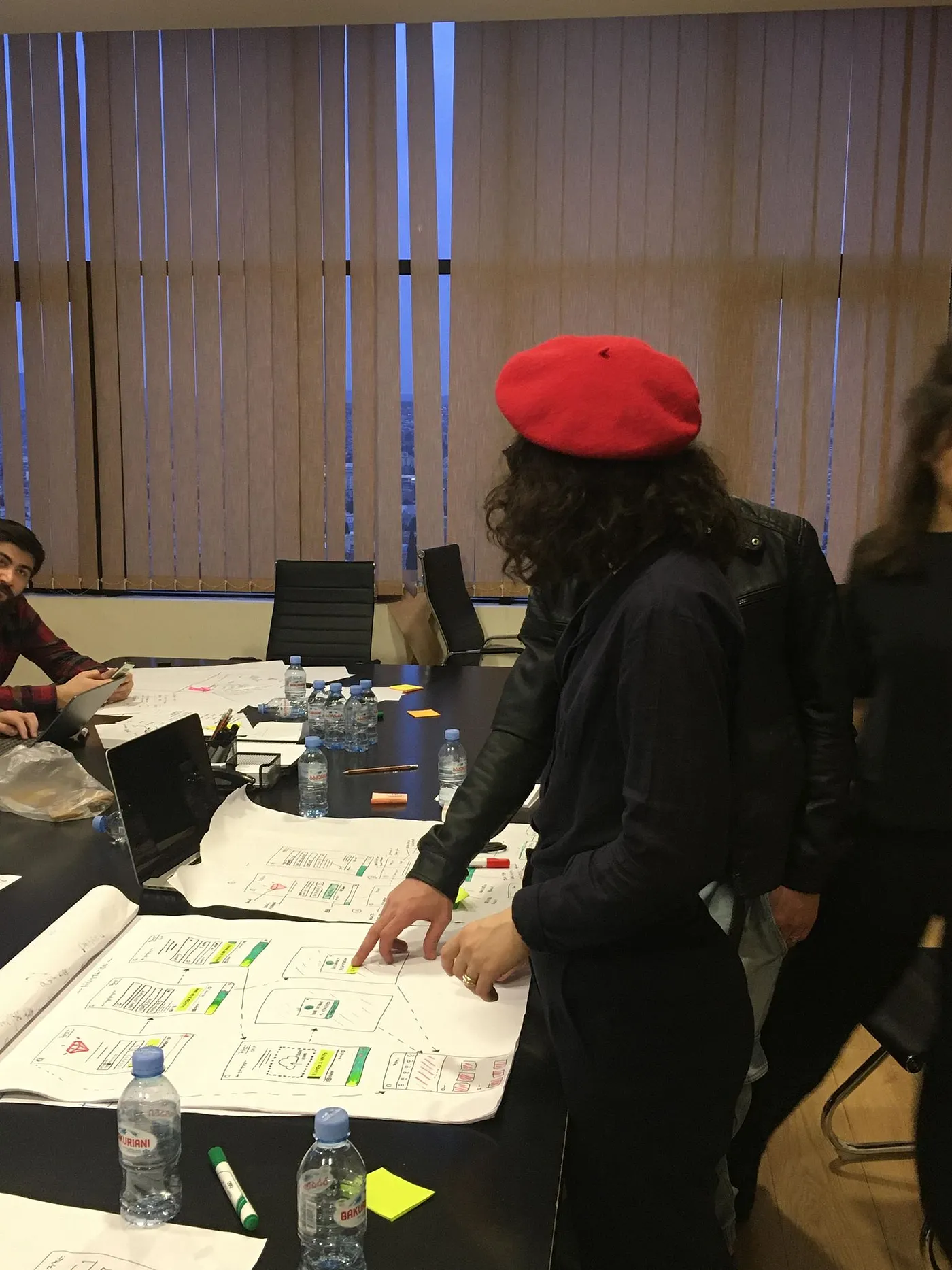
Beyond single features, I introduced design sprints as a repeatable framework for solving complex problems and building alignment across functions. We ran them in-person before COVID and transitioned to remote facilitation afterward, ensuring collaboration didn’t slow down. The format gave cross-functional teams (designers, PMs, engineers, stakeholders) a structured way to validate ideas quickly and focus on evidence, not assumptions.


Outcomes ranged from exploring new promotional concepts to improving critical user flows. For example, a sprint on registration produced a redesigned flow that significantly boosted completion rates, a tangible example of how structured collaboration could drive measurable product impact. Over time, sprints became a trusted method inside the company, giving design a leadership role in guiding discovery and decision-making.
adjarbet
adjarbet
adjarbet

Design sprint

·

·

·

Reflections

Looking back, this work was never just about hiring more designers or delivering features faster, it was about building systems and culture that could scale. Over time, the team grew from two to eight designers, onboarding became nearly twice as fast, and our processes supported clear career growth.


Most importantly, design moved from a service function to an integral part of roadmap planning and product strategy. The design system, cross-functional workflows, and user research practices we put in place became part of the company’s operating model. These foundations didn’t just solve immediate challenges, they created a sustainable design organization that continues to deliver value long after my time at Adjarabet.

How I Scaled Design into a Visible, Strategic Function at Adjarabet

Role: Head of UX designTimeframe: 2019 - 2022

Live Product: adjarabet.com, adjarabet.am

Deliverables: Design Systems, UX Operations, Multi-platform Redesigns, Research Practices

Project Type: Org-wide scaling & design transformation

Team: Led a team of 8 Designers, collaborating with Scrum teams, Product Owners, Engineering, and Business Stakeholders

When I joined Adjarabet in 2019, the design function was seen as a service team, mainly responsible for “making things look good.” My mission over the next three years, as I grew from Lead Product Designer to Head of Product Design, was to scale the team, build systems, and establish design as a strategic partner in the business.

adjarbet

Adjarabet.com

Building the Team & Organization

The design team started small and isolated, often handling last-minute requests without real influence on product direction. There were no growth paths, no structured onboarding, and no seat at the table for planning. To change that, we needed more than headcount, we needed a functioning organization with ownership and visibility.

Challenges

  • Isolated designers with little influence on product direction.
  • Slow onboarding (8 weeks) and unclear career paths.
  • Stakeholders treated design as “visual polish.”


Actions

  • Grew the team from 2 → 8, embedding designers in squads (frontend, promotions, payments, native apps).
  • Defined clear vertical ownership so every designer had accountability.
  • Introduced a Skill Matrix, weekly 1:1s, and monthly KPI check-ins.
  • Authored an onboarding guide, reducing ramp-up from 8 → 5 weeks.
  • Encouraged designers to present in roadmap sessions, not just hand off visuals.


Impact

  • Team repositioned from service → strategic partners.
  • Faster onboarding → new hires contributed in their first sprint.
  • Clear growth paths → 2 promotions (junior → mid, mid → senior).
  • Stakeholders began inviting design into strategic discussions
Skill matrix

Skill matrix sample

Scaling Design Operations

Operationally, things looked modern but were far from efficient. Sketch files lived in silos, Zeplin handoffs caused friction, and developers sometimes built from outdated screens. Prototypes were little more than clickable slides, limiting real validation. These inefficiencies slowed delivery and undermined trust with engineering.


To fix this, I’ve introduced Abstract, a version-control layer for Sketch that mirrored engineering workflows. Designers could now branch, review, and merge changes just like developers, eliminating file conflicts and improving traceability. The Sketch × Abstract workflow became our single source of truth: every iteration documented, every handoff aligned, every change reviewable.

adjarbet

Sketch x Abstract workflow

Challenges

  • Fragmented workflows led to rework and delays.
  • Developers lacked confidence in design files.
  • Prototypes too static to validate ideas.


Actions

  • Rolled out Sketch + Abstract workflow with version control and documentation.
  • Eliminated Zeplin, establishing a single source of truth.
  • Adopted Protopie for interactive flows.
  • Led migration to Figma, onboarding not just designers but also PMs and engineers, creating one shared workspace.


Impact

  • Fewer handoff errors and shorter cycles.
  • Transparent process where PMs and engineers collaborated in real time.
  • Stronger cross-functional trust in design’s ability to deliver.

Building Systems & Foundations

As Adjarabet expanded across web, native, and multiple markets, fragmentation became obvious. UI patterns varied, assets were heavy, and accessibility suffered from inconsistent fonts. Each squad solved problems differently, creating inefficiency and a fractured user experience.

adjarbet
adjarbet

adjarbet

Custom font project

Challenges

  • Inconsistent UI and patterns.
  • Multiple fonts slowed performance and hurt accessibility.
  • No governance → duplication across squads.


Actions

  • Built a design system with shared foundations, reusable components, and clear guidelines.
  • Partnered with marketing on a custom font project to improve readability and unify multi-language markets (.com, .am).
  • Optimized icons (220KB SVG sprite → 24KB IcoMoon WOFF2, 89% lighter).
  • Introduced governance and ownership between design + engineering, with onboarding and update reviews.


Impact

  • Unified brand across web and native.
  • Faster, lighter experiences with improved accessibility.
  • A living system still in use today, not a one-off project.

Leading Products & Cross-functional Collaboration

Once the team, operations, and systems were in place, the next step was proving that design could accelerate delivery and drive measurable product outcomes. Each vertical had its own challenges, regulatory constraints in payments, speed requirements in promotions, platform nuances in native apps, and modernization needs in frontend.


In frontend, I worked closely with engineering to modernize the UI and enforce adoption of our design system. In native apps, I directed design across iOS and Android, balancing system consistency with native conventions. In payments (Adjarapay), I guided the wallet experience; while the product was ultimately closed due to regulation, the standards we established shaped future secure flows. And in promotions, I helped to build a lightweight design system for recurring campaigns, cutting design time by 50% and enabling faster, more predictable marketing cycles.

adjarbet
adjarbet
adjarbet

Native app

adjarbet

Promotion campaigns

· · ·

At Adjarabet, I pushed to move design decisions from opinion-driven debates to evidence-based improvements. For example, CES surveys in the verification flow revealed critical pain points. Small design changes lifted CES from 3.9 → 4.5 and reduced operational overhead, proving to stakeholders that metrics-led design could deliver both user and business impact.

adjarbet
adjarbet

Maze user test result

To scale this approach beyond individual flows, I embedded research practices into the team’s daily work: Maze for rapid unmoderated testing (integrated directly with Figma), moderated interviews for deeper context, and even in-person user meetups. These practices shifted conversations with stakeholders from subjective opinions to concrete user insights, making design a trusted voice in product planning.

Design sprints

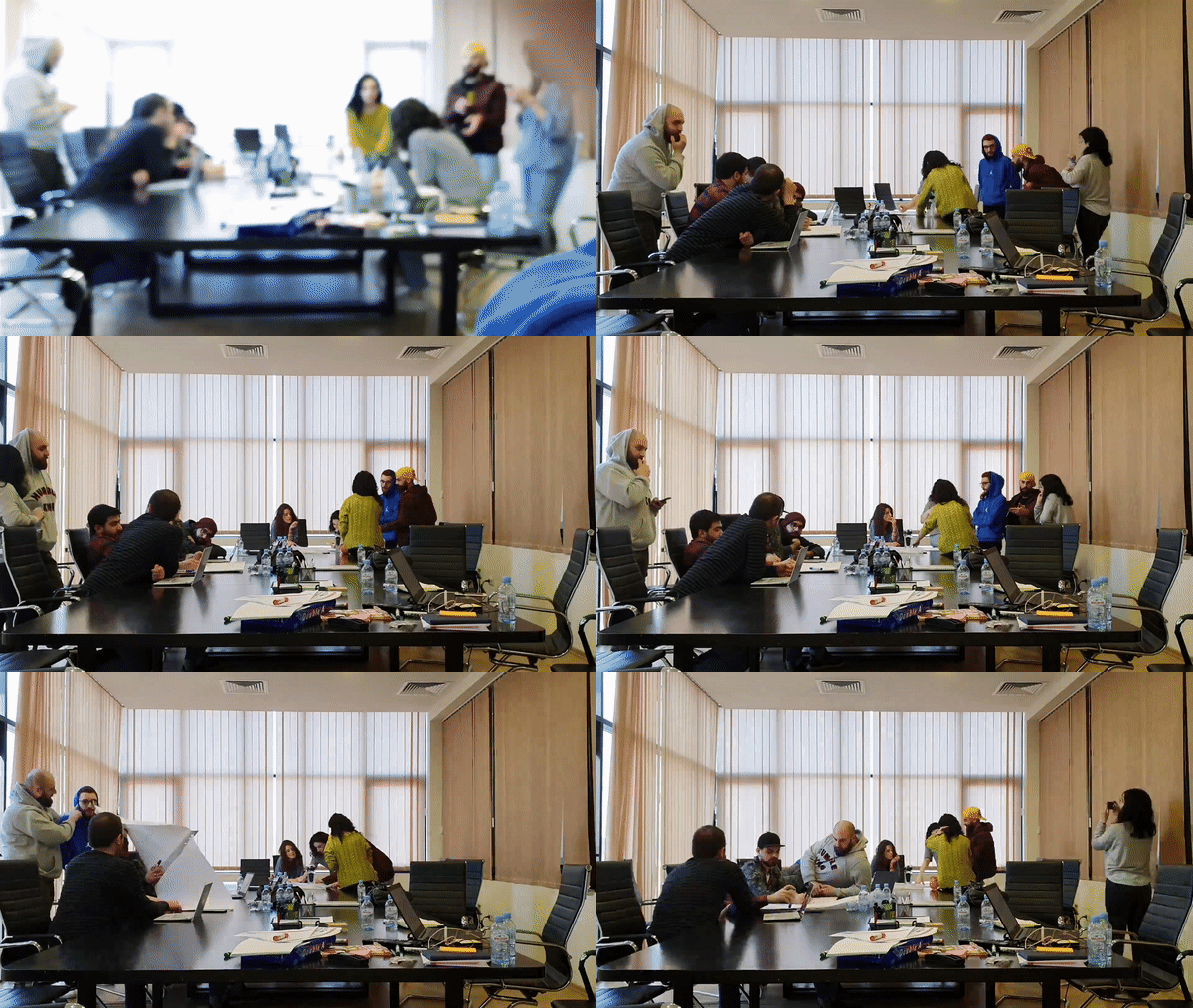
Beyond single features, I introduced design sprints as a repeatable framework for solving complex problems and building alignment across functions. We ran them in-person before COVID and transitioned to remote facilitation afterward, ensuring collaboration didn’t slow down. The format gave cross-functional teams (designers, PMs, engineers, stakeholders) a structured way to validate ideas quickly and focus on evidence, not assumptions.


Outcomes ranged from exploring new promotional concepts to improving critical user flows. For example, a sprint on registration produced a redesigned flow that significantly boosted completion rates, a tangible example of how structured collaboration could drive measurable product impact. Over time, sprints became a trusted method inside the company, giving design a leadership role in guiding discovery and decision-making.
adjarbet
adjarbet
adjarbet

Design sprint

·

·

·

Reflections

Looking back, this work was never just about hiring more designers or delivering features faster, it was about building systems and culture that could scale. Over time, the team grew from two to eight designers, onboarding became nearly twice as fast, and our processes supported clear career growth.


Most importantly, design moved from a service function to an integral part of roadmap planning and product strategy. The design system, cross-functional workflows, and user research practices we put in place became part of the company’s operating model. These foundations didn’t just solve immediate challenges, they created a sustainable design organization that continues to deliver value long after my time at Adjarabet.